Plan Namibia before booking.
Compare routes, seasons, entry requirements, lodges, and safari regions with practical checklists before you choose who to book with.
Research your journey
Compare itinerariesCompare 10, 14 and 21 days, overnight bases, and what each route leaves out.
Compare dry season, green season, wildlife timing, prices, and road conditions.
Check vehicle choice, gravel-road risks, fuel planning, and rental insurance traps.
Verify visa, safety, health, and emergency details before committing money.
Popular guides
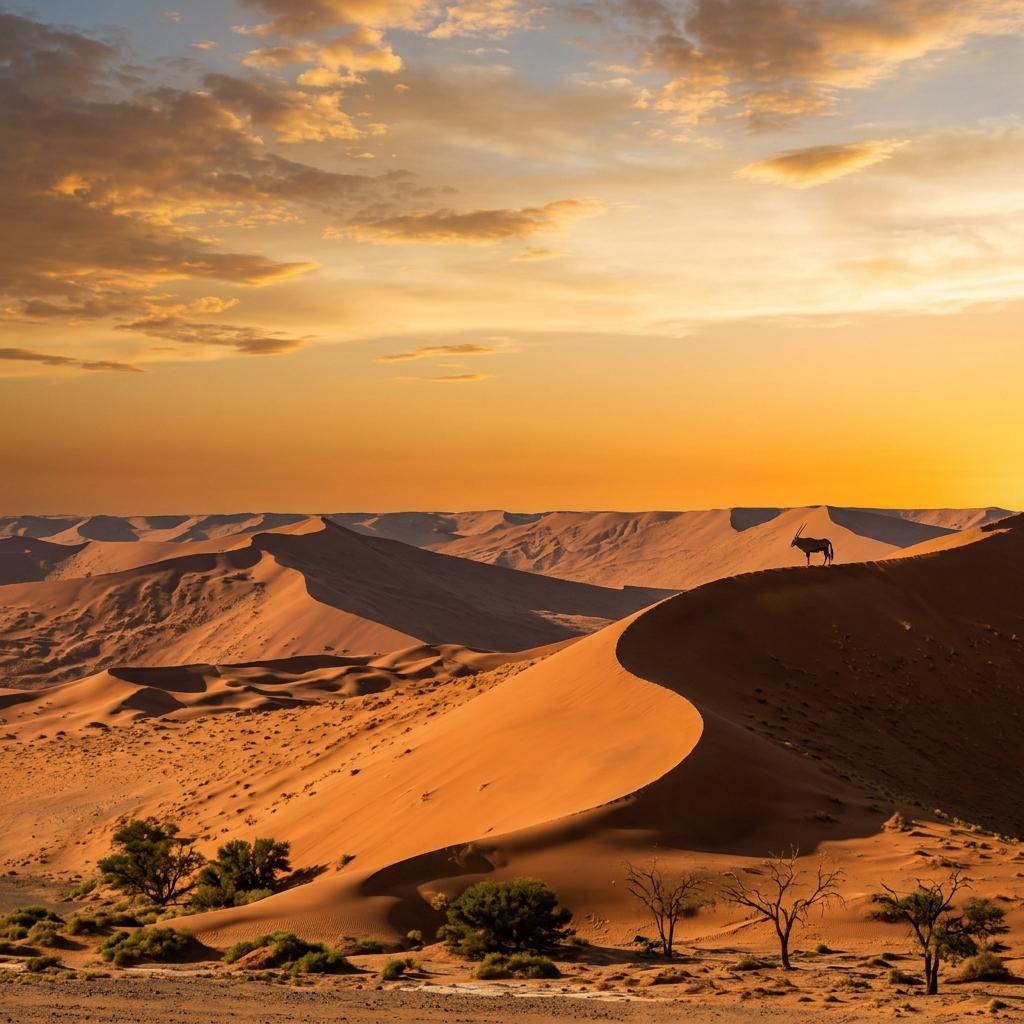
Compare routes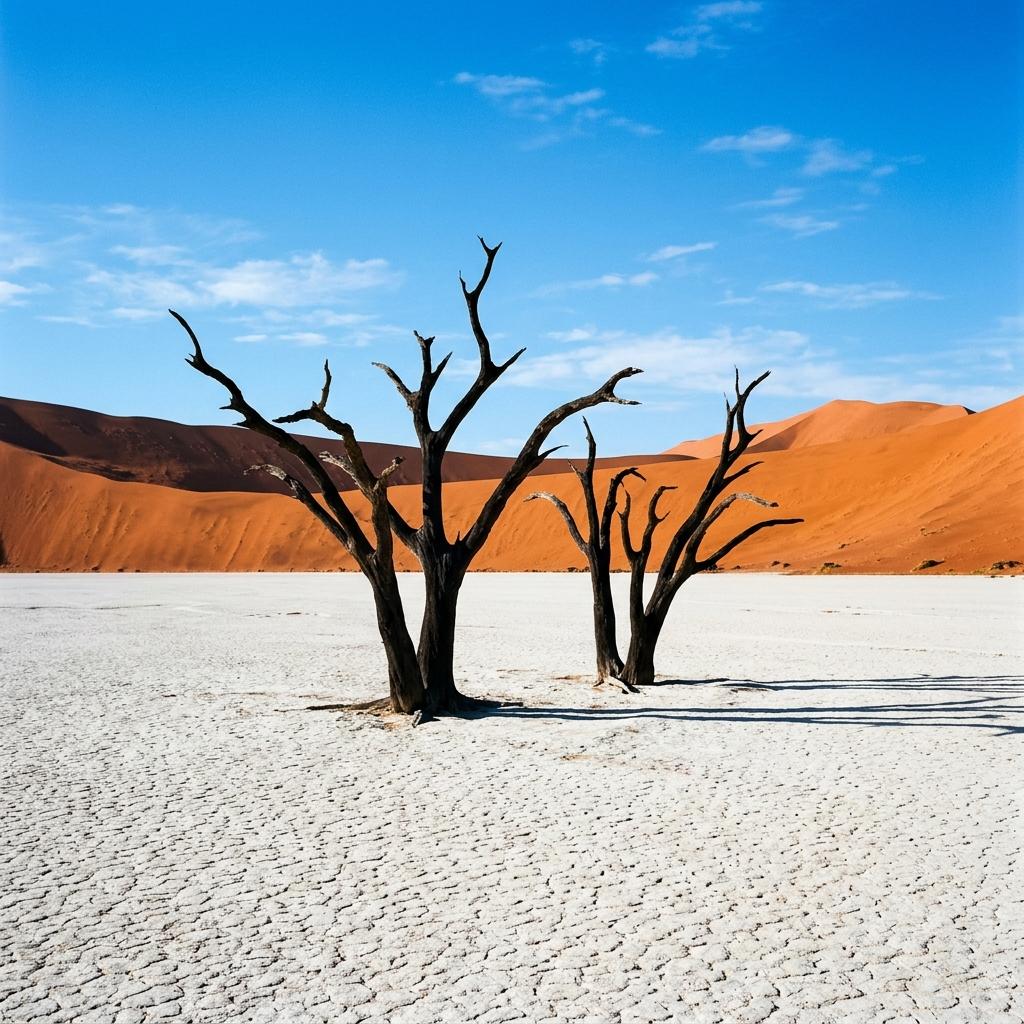
Deadvlei Photography Guide
Sossusvlei ⇄ Deadvlei
Access, heat, timing, and low-impact photography
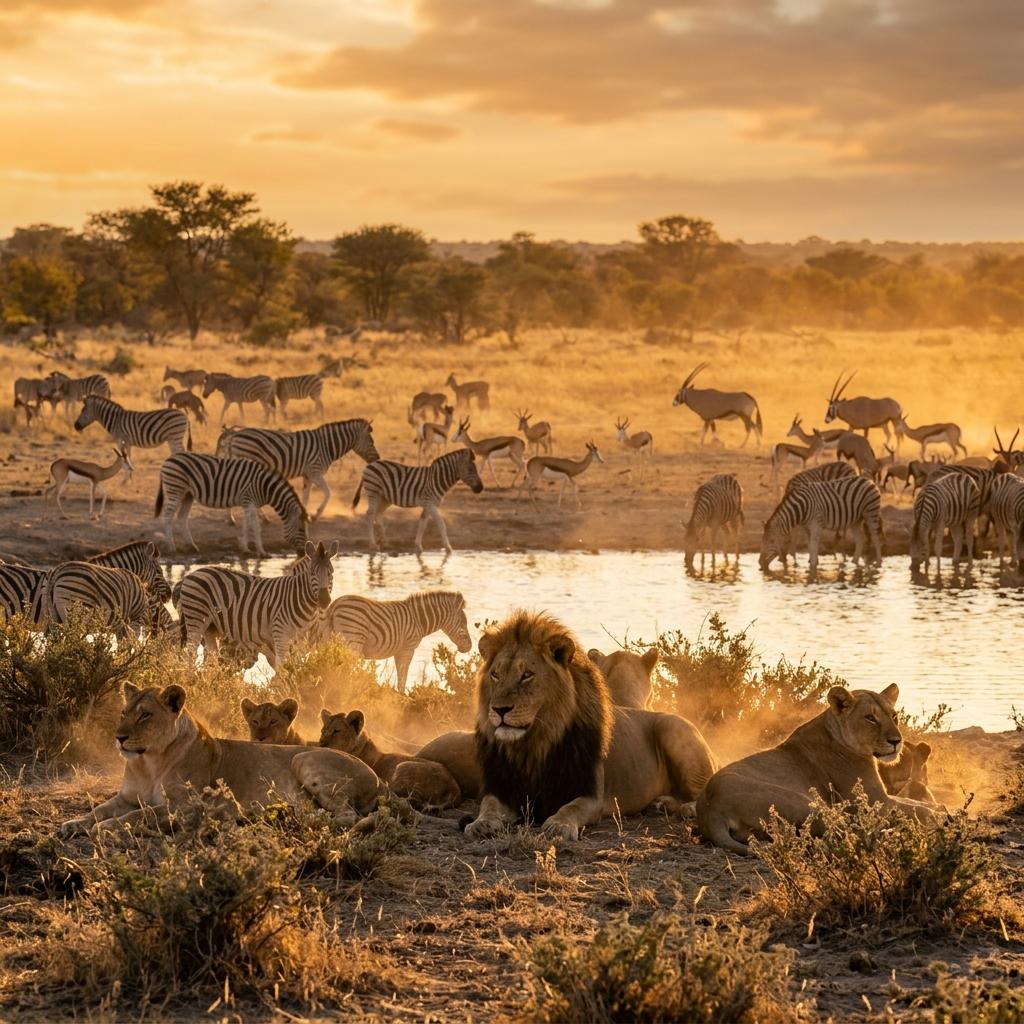
Etosha National Park
Windhoek ⇄ Etosha
Waterholes, safari timing, and park logistics
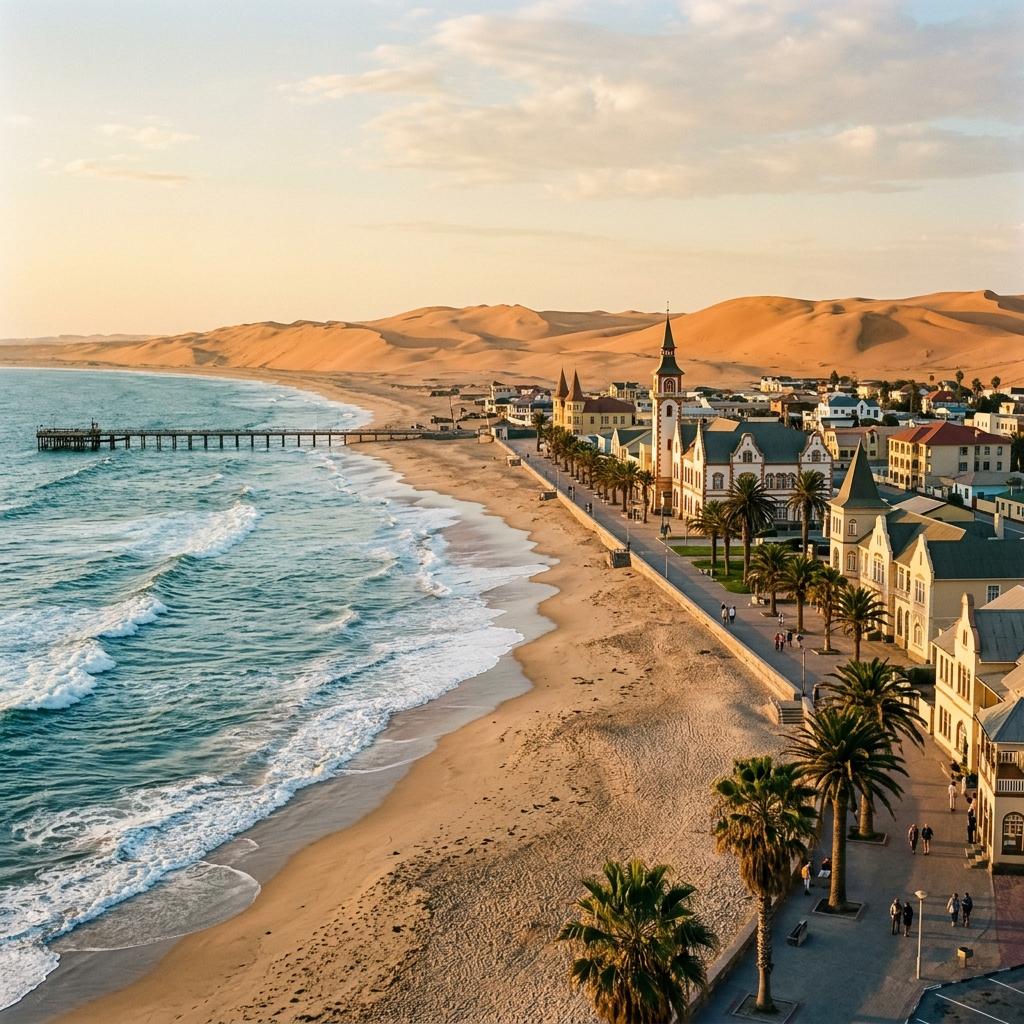
Swakopmund Guide
Swakopmund ⇄ Walvis Bay
Town planning, coast conditions, and activity choices
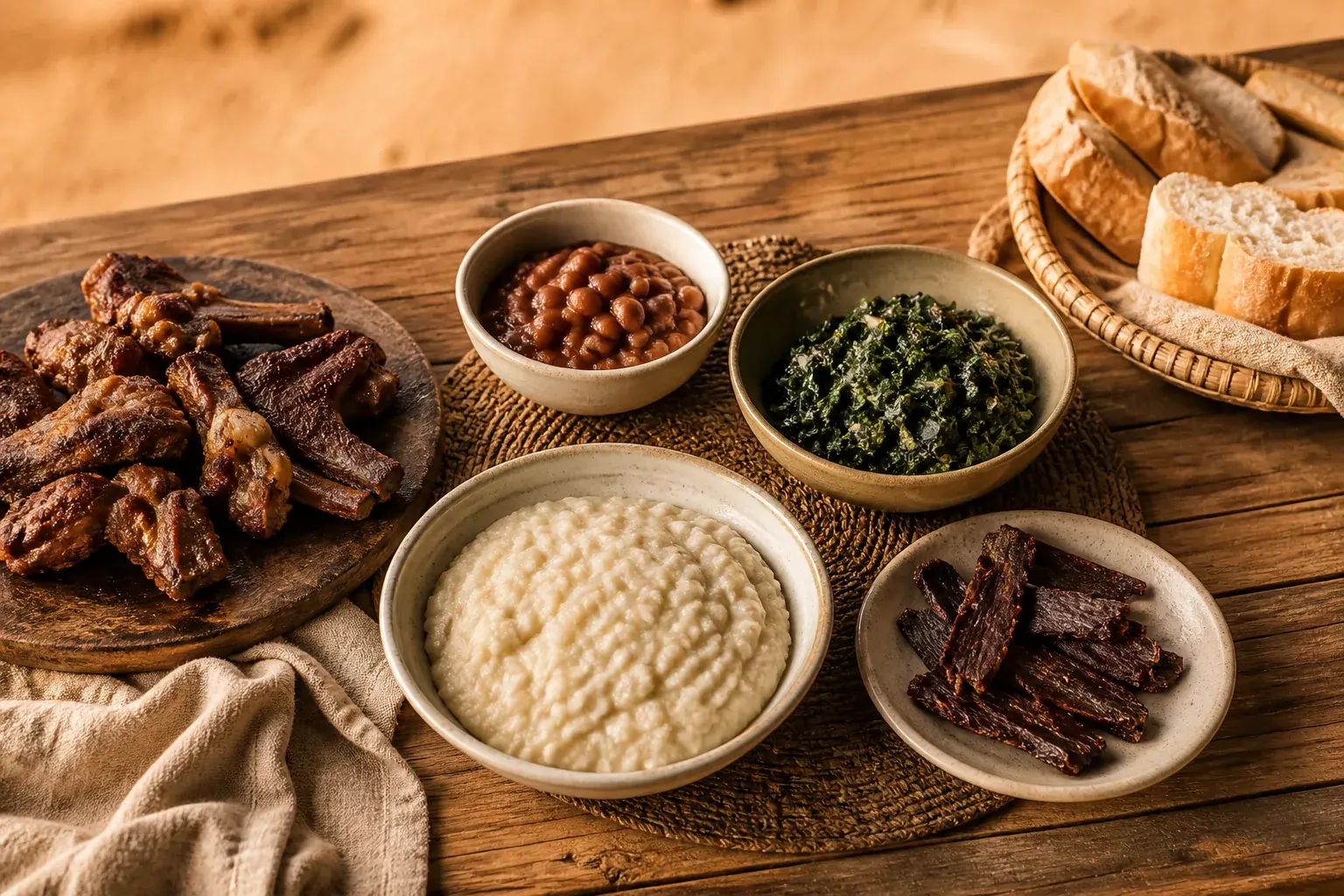
Namibian Food Guide
Markets ⇄ Road Stops ⇄ Lodges
Regional traditions, dietary questions, and meal planning
Planning toolkit
Use the tools before you compare sellers.
Namibia Plus is strongest when it helps you make decisions in order: route first, cost next, quote checks before deposits, and official-source verification before departure.
Browse all guidesRoute planner
Match days, pace, driving comfort, and interests to a realistic Namibia route.
Budget calculator
Build an editable scenario from disclosed lodging, transport, activity, and contingency allowances.
Quote checker
Check the weighted coverage of trip, lodge, safari, and rental offers before paying a deposit.
Readiness checklist
Track visa, health, insurance, self-drive, booking, packing, and final checks.
Plan Namibia with clear,
practical travel guidance.
We focus on transparent itineraries, responsible travel notes, and current entry guidance so you can verify the details before booking.
Verify
Operator Details
before paying deposits
Source
Official Sources
First
Proof
Reviews & Licenses
should be checked independently
Impact
Choose Operators with
Published Conservation Records
Why Travel to Namibia
Namibia rewards travelers who plan slowly and verify carefully. Use these notes to connect the beauty of the route with the practical work behind it: distance, safety, culture, conservation claims, and supplier terms.
Big Landscapes, Long Distances
Namibia is built around scale: desert dunes, gravel plains, remote coast, mountains, and northern wetlands. That visual drama is part of the appeal, but it also means route pace, fuel stops, heat, and daylight matter more than they do in compact destinations.
Independent Travel, Active Precautions
Namibia supports established self-drive and guided routes, but no destination is risk-free. Check current government advisories, plan to finish drives in daylight, protect valuables, and give remote routes fuel, water, tyre, and communication margins.
Conservation Claims You Can Check
Namibia has protected areas and a formal communal-conservancy system, but a tourism business does not create community benefit merely by using that language. Look for named partners, reported benefits, and clear animal-welfare practices before booking.
Cultural Visits Need Care
Namibia is home to Himba, San, Herero, Damara, Nama, Owambo, and other communities with distinct histories and living cultures. Cultural visits should be consent-based, locally accountable, and clear about photography, payment flows, and who benefits.
Whether you're planning a luxury safari, a self-drive adventure through the Namib Desert, or an immersive group travel experience, compare operators carefully and confirm licenses, recent reviews, insurance, payment terms, and community policies before committing.
Good planning makes Namibia safer, richer, and easier to enjoy.
Trip ideas to verify
Open planning hub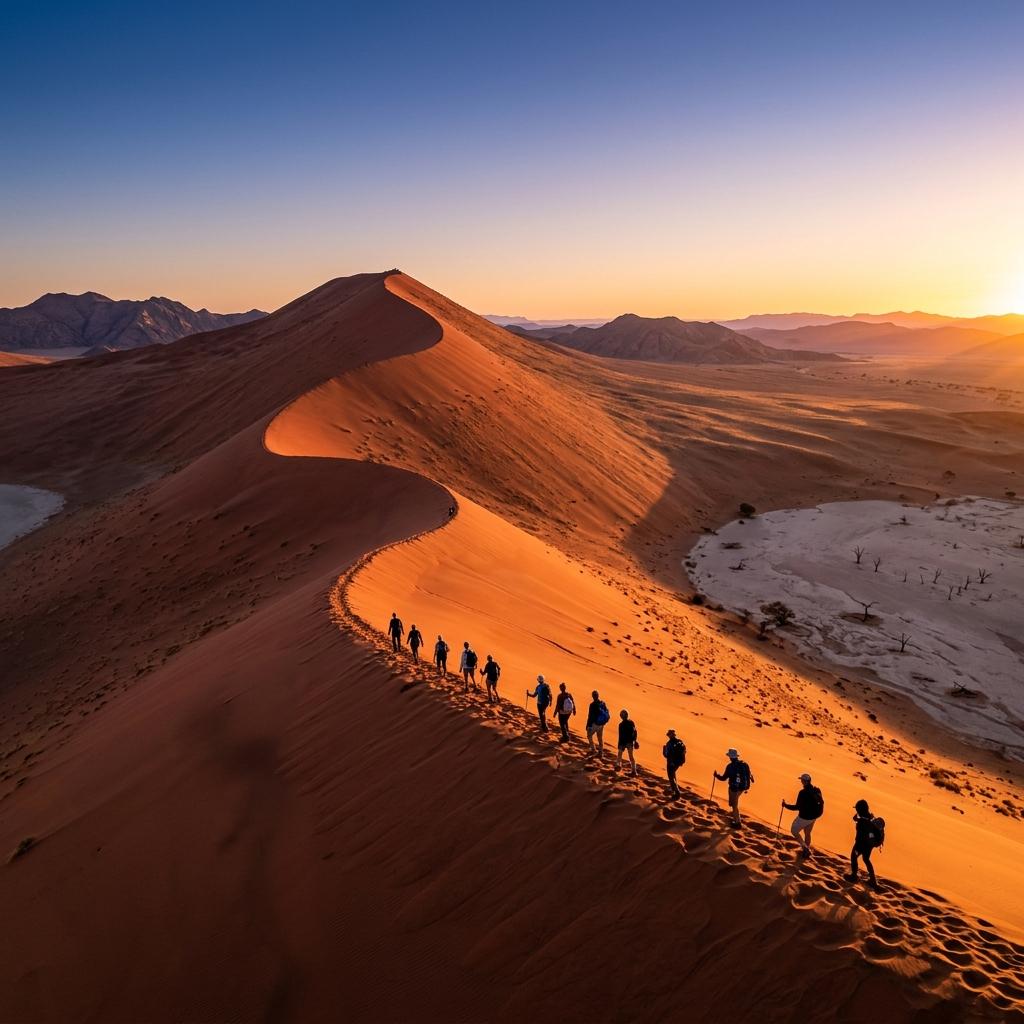 Editorial illustration
Sossusvlei sunrise route check
Check park rules, guide credentials, and sunrise access times before booking.
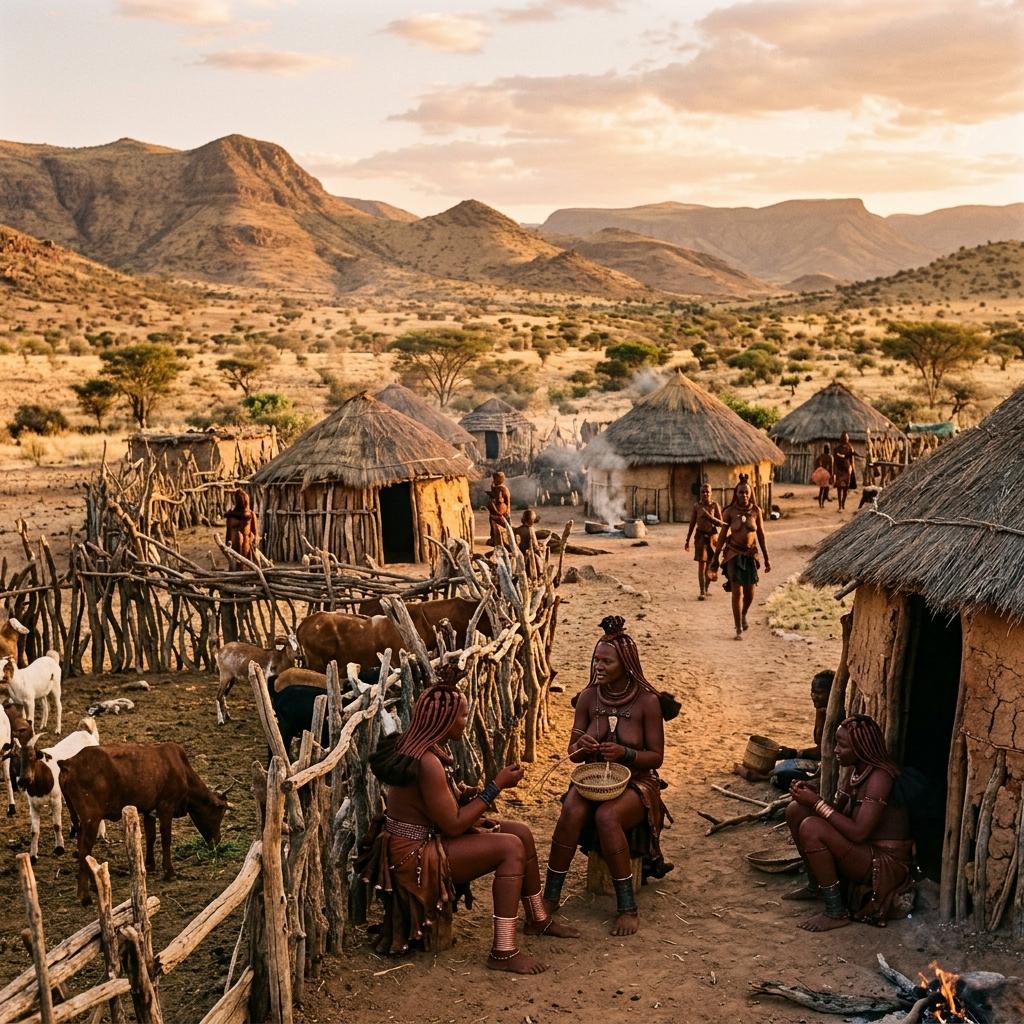 Editorial illustration
Consent-based cultural visit planning
Choose visits arranged with community consent and clear photography etiquette.
 Editorial illustration
Conservation-claim verification
Verify conservation operator credentials and animal-interaction policies.
Best Time to Travel
to Namibia
Namibia is a year-round destination, but the ideal time to travel depends on what you want to experience. Use this seasonal overview as a planning starting point, then verify local conditions close to departure.
May – October
Broadly drier period
Wildlife often becomes easier to locate near dependable water as the dry period progresses. Cold winter dawns, dust, late-season heat, and pressure on popular lodges, campsites, and vehicles are the main trade-offs.
November – April
Summer rainfall period
Rain can bring fresh vegetation, dramatic skies, and migratory birds, but timing and intensity vary by region and year. Heat, road damage, and festive-period demand mean summer is not automatically easier or cheaper.
June – August
Dry winter
These months are popular on classic routes and can offer settled inland conditions, but desert and highland mornings may be very cold. Compare actual availability and pack for large day-to-night variation.
January – March
Higher rain potential
Birding and green landscapes can reward flexible travelers, while storms may affect gravel roads or remote access. Vehicle needs depend on the exact route and current conditions—not the month alone.
Choose by trade-off: start with your priority—wildlife, birding, green scenery, temperature, availability, or price—then compare regional weather, road conditions, and live supplier terms for the exact dates.
Frequently Asked Questions
Practical answers for Namibia planning. Verify visa, health, safety, and operator details with official sources before committing money.
Namibia is a well-established travel destination, but no trip is risk-free. Check current government advisories, avoid driving at night, keep valuables secure in towns, and plan remote self-drive routes carefully with water, fuel, spare tyres, and communication backup.
Since 1 April 2025, most visitors from the US, UK, Canada, Australia, New Zealand and the EU need a visa. They can get it on arrival or apply online before travel; it costs N$1,600 per adult. Travelers from South Africa and most neighboring countries do not need one for a tourist visit. Your passport must be valid for six months after arrival with three blank pages. See the visa guide for the full table by nationality.
The best time depends on your route and priorities. The broadly drier May–October period is popular for waterhole-focused wildlife trips, while the summer rainfall period can suit birding and greener landscapes. Cold dawns, heat, road conditions, festive dates, and live availability can matter more than a generic “best month.”
Namibia travel costs vary widely based on your style, season, route, and vehicle choice. Budget travelers often spend less by camping and self-driving, while lodge-based safaris and fly-in trips can become expensive quickly. Treat published package prices as estimates only and verify inclusions, park fees, insurance, cancellation terms, and current exchange rates before paying.
No vaccine is required for most visitors. A yellow fever certificate is required only if you arrive from, or transited for more than 12 hours through, a yellow-fever risk country. CDC lists malaria transmission in nine northern and eastern regions, including the areas around Etosha and the Zambezi Region, but none in Windhoek. Ask a travel-health clinician about routine vaccines and malaria tablets for your route.
Many visitors self-drive, but suitability depends on the exact route, season, gravel-road experience, daylight margin, vehicle support, and insurance terms. Send the itinerary to the rental company and compare 2WD, SUV, and 4x4 restrictions before paying.
Solo travel can be practical with additional margins. Share the route, avoid arrival pressure after dark, verify single supplements and transfers, and plan remote drives around fuel, water, spare-wheel support, phone coverage, and check-in times.
Check whether entry, visa, supplier, or activity rules require insurance for your trip. Compare medical treatment and evacuation, cancellation, rental excess, baggage, pre-existing conditions, and each planned activity, then save the insurer’s assistance process offline.