Home / Destinations / Skeleton Coast

The Skeleton Coast

A hauntingly beautiful 6,500-square-mile stretch of fog-bound shoreline — shipwrecks, seal colonies, and Africa's most dramatic coastline.

Africa's Most Dramatic Coastline

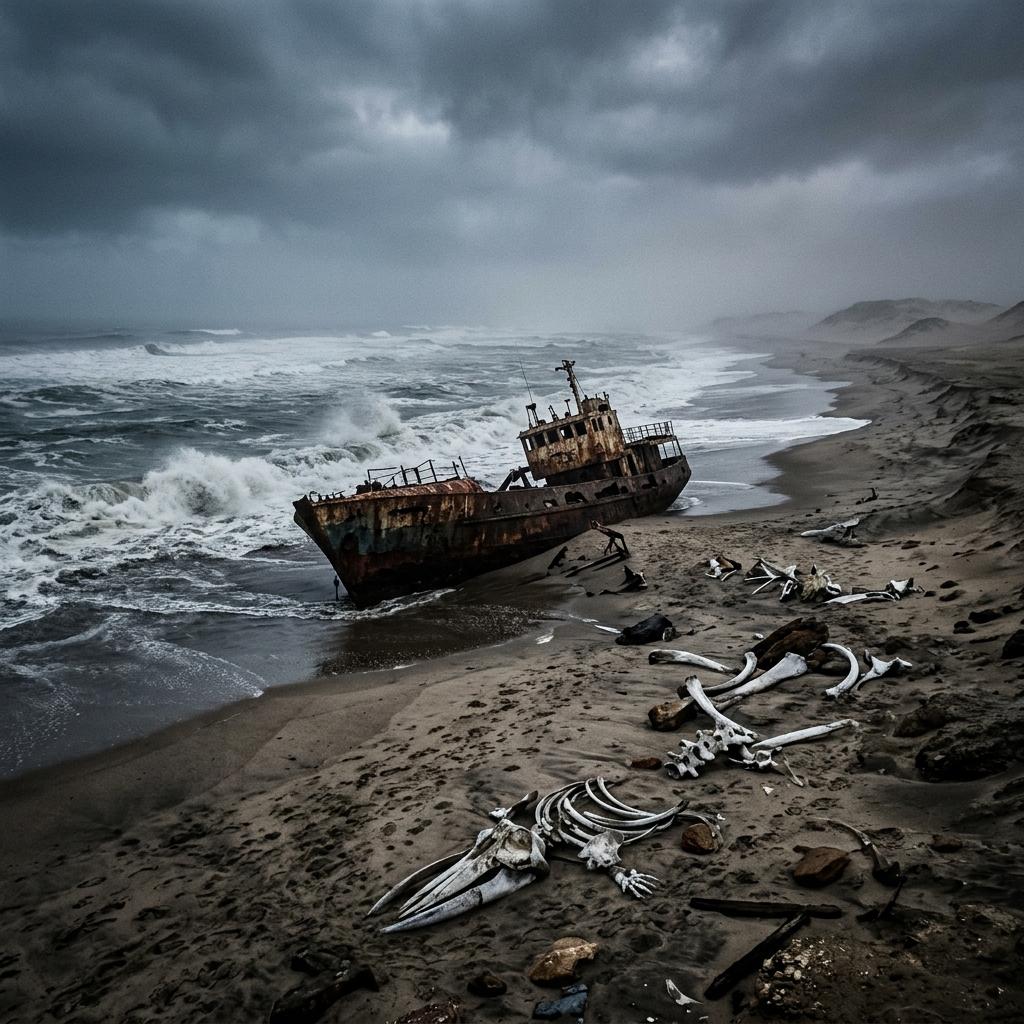
Stretching from Swakopmund in the south to the Kunene River on the Angolan border, the Skeleton Coast National Park is an inhospitable, fog-bound 6,500-square-mile stretch of shoreline that has claimed hundreds of ships and countless lives over the centuries. The San Bushmen called it “The Land God Made in Anger”; Portuguese sailors named it “The Gates of Hell.”

Today, the Skeleton Coast is one of Namibia's most sought-after destinations — not despite its inhospitable nature, but because of it. The raw, untouched wilderness, the eerie silence broken only by crashing waves, and the surreal juxtaposition of rusted shipwrecks against endless dunes create an experience that is profoundly different from any other destination in Africa.

What Makes It Extraordinary

Historic Shipwrecks

The coast is littered with the rusted hulls of vessels like the Suiderkus and Karimona, driven ashore by unpredictable currents, dense fog, and treacherous cross-winds. Bleached whalebones and clay castles complete the eerie landscape that earned this stretch its fearsome name.

Cape Cross Seal Reserve

Home to the largest breeding colony of Cape fur seals in the world — over 100,000 animals. First recorded by Portuguese explorer Diego Cão in 1486, the colony is accessible via a boardwalk. Visit during the November–December breeding season for maximum activity.

Fog-Bound Wilderness

The cold Benguela Current meeting the hot Namib air creates a permanent fog belt along the coast. This microclimate supports a unique ecosystem of fog-basking beetles, desert-adapted jackals, and brown hyenas — species found nowhere else on Earth.

Desert-Meets-Ocean

One of the few places on Earth where massive sand dunes plunge directly into the Atlantic Ocean. The contrast between the rust-orange desert and the deep blue sea creates a landscape of extraordinary visual drama.

How to Visit the Skeleton Coast

Fly-In Safari

1–2 daysFrom N$15,000/night

The ultimate way to experience the Skeleton Coast. Private charter flights land at remote airstrips, delivering you to exclusive luxury camps like Shipwreck Lodge or Hoanib Valley Camp. You'll witness the collision of dunes and ocean from the air — a perspective unavailable from the ground.

Best for: Luxury travelers and photographers

Self-Drive (Southern Section)

1 dayPark entry fees only

The southern section between Swakopmund and Terrace Bay is accessible by 2WD vehicle on a paved coastal road. You can visit Cape Cross Seal Reserve and several viewpoints independently. The northern section (Kunene River to Möwe Bay) requires a guided concession.

Best for: Budget travelers and self-drivers

Guided Overland Tour

2–3 daysFrom N$8,000 pp

Professional guided tours combine the Skeleton Coast with Damaraland, tracking desert-adapted elephants and visiting Twyfelfontein UNESCO rock engravings before reaching the coast. Most comprehensive experience.

Best for: First-time visitors wanting full coverage

Featured Lodge: Shipwreck Lodge

The architecturally stunning Shipwreck Lodge sits directly on the Skeleton Coast, its cabins designed to resemble the timber frames of beached shipwrecks. Each room features floor-to-ceiling windows overlooking the Atlantic Ocean and the surrounding dune field.

Operated within the communal conservancy framework, the lodge employs local staff and reinvests profits directly into community development. Activities include guided coastal walks, 4x4 excursions to shipwreck sites, seal colony visits, and sunset dune drives. As part of Namibia Plus's Signature and Platinum travel packages, Shipwreck Lodge is accessed via private charter flight from Windhoek or Swakopmund.

Fly-in accessCommunity-owned conservancyFrom N$15,000/night

Best Time to Visit

The Skeleton Coast can be visited year-round, as its fog-bound climate remains relatively stable regardless of season. However, the dry season (May to October) offers the most comfortable conditions with cooler temperatures and less humidity.

The Cape Cross seal colony is most spectacular during the November–December breeding season, when thousands of pups are born. For photography, the winter months (June–August) produce the most dramatic fog conditions and moody lighting that make the Skeleton Coast so visually striking.

Experience the Skeleton Coast

From fly-in luxury lodges to guided overland expeditions — let our specialists craft your Skeleton Coast adventure.

View Travel Packages