Home / Travel Guide

Namibia Travel Guide

Your comprehensive guide to traveling in Namibia — practical tips, must-visit places, and insider knowledge from local experts.

How to Travel Around Namibia

Namibia is one of the most rewarding countries in Africa to explore independently. With well-maintained gravel roads, clearly signposted routes, and a tourism infrastructure that caters to both self-drive adventurers and guided tour groups, the country is remarkably accessible despite its vast size.

This comprehensive Namibia travel guide covers everything from practical travel tips and budget planning to must-visit destinations and sample itineraries. Whether you're a first-time visitor or returning for another adventure, our local expertise ensures you won't miss a thing.

Practical Travel Tips

Getting Around

A 4x4 vehicle is essential for gravel roads. Driving is on the left. Fuel stations can be 200+ km apart — always fill up when you can. Avoid night driving due to wildlife on roads.

Budget & Currency

The Namibian Dollar (NAD) is pegged 1:1 to the South African Rand. ATMs are available in major towns. Credit cards accepted at lodges but carry cash for fuel stations and rural shops.

Power & Connectivity

Namibia uses Type D/M plugs (same as South Africa). Bring a universal adapter. Mobile coverage exists in towns but is absent in parks. Download offline maps before departing.

Internet Access

WiFi is available at most lodges and hotels but is often slow. Consider buying a local SIM card from MTC or TN Mobile at the airport for affordable data throughout your trip.

Photography Tips

Golden hour is spectacular — arrive at Sossusvlei by sunrise. Bring a polarizing filter for the harsh midday light. A telephoto lens (200mm+) is essential for Etosha wildlife.

Food & Drink

Try local specialties: biltong, kapana (grilled meat), and potjiekos (stew). Tap water is safe in major towns. Windhoek Lager is the national beer. Many lodges serve excellent cuisine.

Must-Visit Destinations

A sample Namibia travel itinerary typically covers 14-21 days to experience the highlights. Here are the top destinations to include.

Sossusvlei & Deadvlei

2-3 days

Home to the world's tallest sand dunes. Climb Dune 45 at sunrise, explore the surreal white clay pan of Deadvlei, and photograph the iconic dead camel thorn trees.

Etosha National Park

3-4 days

One of Africa's greatest wildlife reserves. Drive between waterholes to spot lions, elephants, rhinos, and giraffes. Stay inside the park at Okaukuejo or Halali camps.

Swakopmund

2-3 days

Namibia's adventure capital on the Atlantic coast. Try sandboarding, skydiving, quad biking, and kayaking with seals. German colonial architecture and excellent seafood restaurants.

Skeleton Coast

1-2 days

A hauntingly beautiful stretch of coastline with shipwrecks, seal colonies, and desert-adapted wildlife. Best accessed by chartered flight for a day trip.

Fish River Canyon

1-2 days

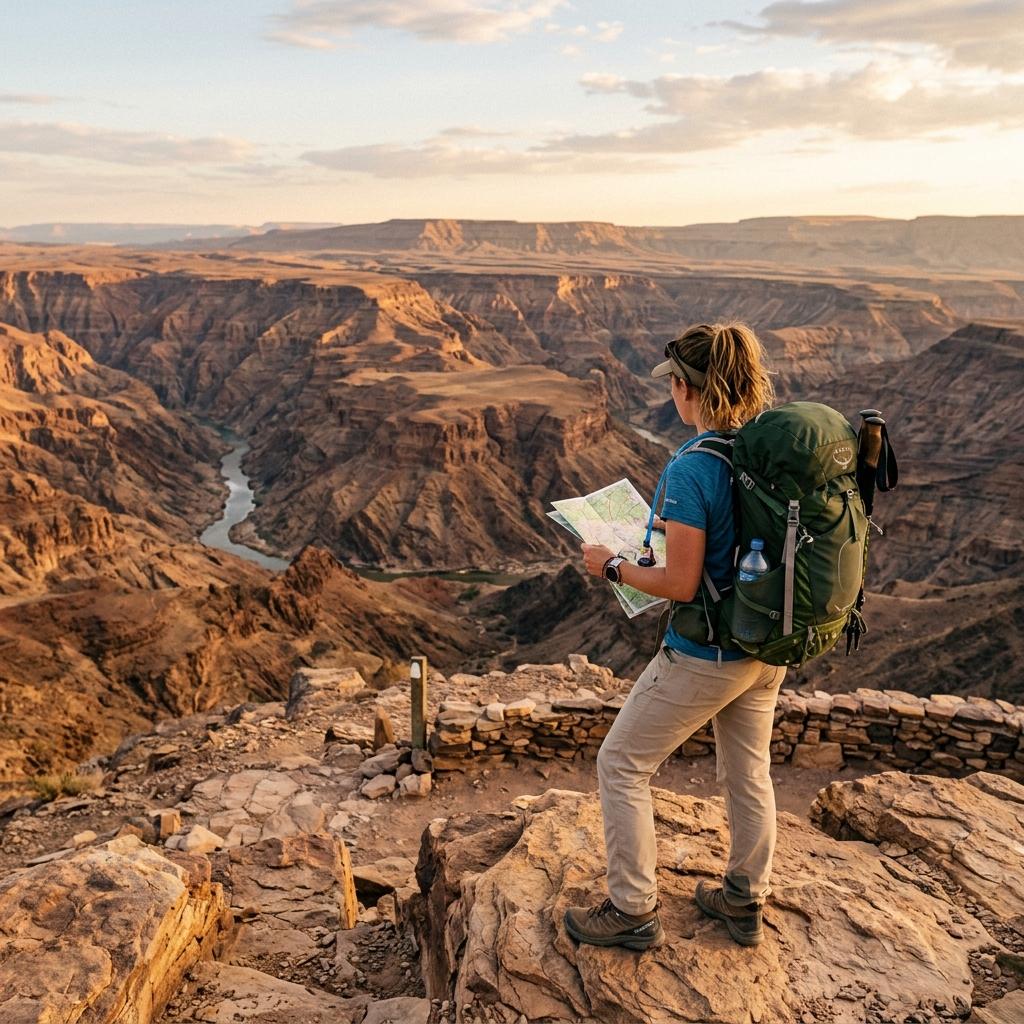
The second largest canyon in the world. The 5-day hiking trail (May-Sep) is legendary, but the viewpoints are stunning even on a short visit.

Damaraland

2-3 days

Track desert-adapted elephants and rhinos with expert guides. Visit Twyfelfontein's UNESCO rock engravings and the Organ Pipes geological formation.

14-Day Sample Itinerary

Day 1-2Arrive Windhoek → Drive to Sossusvlei. Settle into desert lodge.
Day 3-4Sossusvlei sunrise, Deadvlei, Sesriem Canyon. Drive to Swakopmund.
Day 5-6Swakopmund adventures: sandboarding, kayaking, township tour.
Day 7-8Drive to Damaraland. Track desert elephants, visit Twyfelfontein.
Day 9-11Etosha National Park. Game drives at Okaukuejo, Halali, Namutoni.
Day 12-13Waterberg Plateau or Okonjima (AfriCat Foundation).
Day 14Return to Windhoek. Departure.