Five places worth breaking the long drive north for, and which road each one belongs to.
Two roads to Etosha
Both routes follow the tarred B1 north from Windhoek and split at Otjiwarongo. Most people drive the whole way in one day. Every stop below needs either an early start or an extra night.
Western route to Okaukuejo
Road:
B1 north to Otjiwarongo, then the C38 through Outjo to Andersson Gate
Distance:
432 km to Okaukuejo, which lies 17 km inside the gate
Stops:
Okonjima, the Cheetah Conservation Fund and the Waterberg Plateau
Use it:
The usual way in and out of Etosha’s south. Our itineraries return to Windhoek this way.
Eastern route to Namutoni
Road:
B1 north through Otjiwarongo, Otavi and Tsumeb to Von Lindequist Gate
Distance:
486 km to Namutoni, 110 km of it from Tsumeb
Stops:
The same three stops, plus Lake Otjikoto and a detour to the Hoba meteorite
Use it:
For trips that start or end in the east of the park, or continue to the Zambezi Region.
The five stops at a glance
Stops between Windhoek and Etosha
Stop
Where
Time needed
Access
Route
Okonjima Nature Reserve
Between Windhoek and Otjiwarongo, about 2.5 hours from Windhoek
One or two nights
Overnight guests only; no day visits
Both
Cheetah Conservation Fund
44 km north-east of Otjiwarongo via the D2440
2–3 hours, or one night
Daily 08:00–17:00 except 25 December
Both
Waterberg Plateau Park
About 68 km east of Otjiwarongo
One night
NWR resort; plateau by guided drive or booked trail
Both (detour)
Lake Otjikoto
About 20 km north of Tsumeb, beside the B1
30–45 minutes
Daily 08:00–17:00, small entry fee
East
Hoba meteorite
19 km west of Grootfontein
45 minutes plus the detour
Visitor centre with entry fee
East (detour)
Okonjima Nature Reserve
A 22,000 ha private reserve at the foot of the Omboroko Mountains, about two and a half hours north of Windhoek. It is home to the AfriCat Foundation, a carnivore conservation charity founded in 1991, which the reserve funds.
Okonjima is best known for leopard tracking, and also offers pangolin, brown hyena and rhino tracking, night drives and walking trails. There are no day visits, so plan one night, or two if you want both a morning and an afternoon activity. The reserve says it is malaria-free.
Cheetah Conservation Fund
CCF's research and education centre sits on a 56,000 ha farm and reserve at the base of the Waterberg, 44 km north-east of Otjiwarongo on the D2440 gravel road. It is open every day except 25 December, and its café is open 08:00–17:00.
Around 30 to 40 orphaned or injured cheetahs that cannot return to the wild live at the centre. Visitors can see them on a safari drive, at a feeding, or on the Cheetah Run, where the cats sprint after a lure. The museum explains CCF's work with farmers, including the livestock guarding dogs it breeds to protect herds without killing predators. Book activities ahead, as each runs at set times.
Waterberg Plateau Park
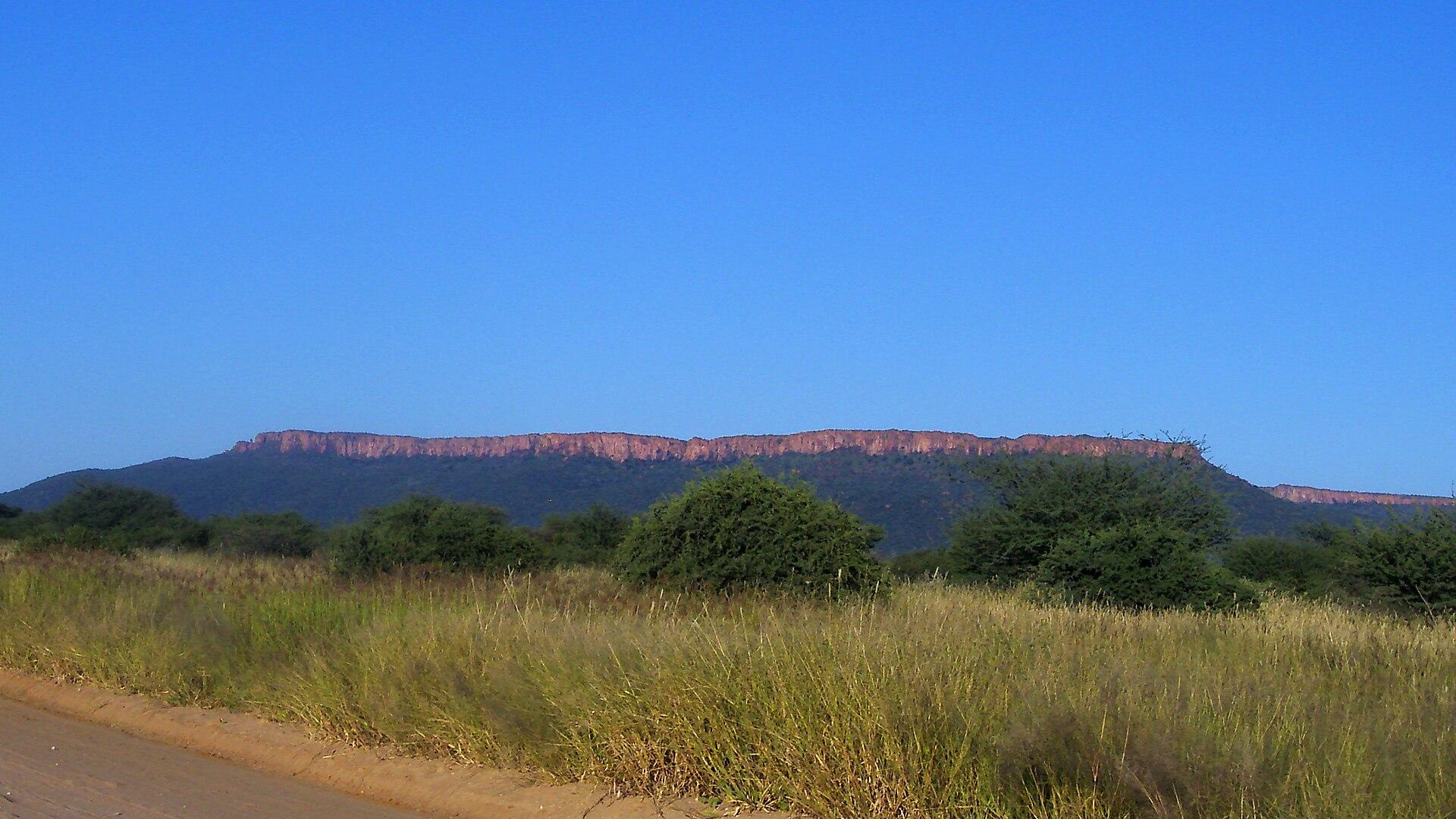
The red sandstone plateau rises about 68 km east of Otjiwarongo. The 405 km² park was proclaimed in 1972 to protect rare and endangered species, and it has bred roan and sable antelope, buffalo and rhino to restock other parks. Springs at the foot of the cliffs keep the slopes unusually green.
You cannot drive yourself onto the plateau. Join a guided morning or afternoon drive from the NWR Waterberg Resort (N$650 per person), or book one of the hiking trails, including a 48 km unguided route. Shorter walking trails start at the rest camp.
The Waterberg is also a place of memory. In August 1904 German colonial troops defeated Herero forces here, and many thousands died during the flight into the Omaheke desert. In 2021 Germany formally recognized the 1904–1908 atrocities against the Herero and Nama as genocide.
Lake Otjikoto
A round, steep-sided lake about 20 km north of Tsumeb, right beside the B1 to Namutoni. It formed when the dolomite rock collapsed and measures about 123 by 102 m. Nobody has reached the bottom: divers have gone down to 145 m, and the lake widens below the surface.
Retreating German forces dumped guns and ammunition in the lake during the First World War. Some of the recovered cannons are on display in the Tsumeb museum. The lake is a national heritage site, open daily from 08:00 to 17:00 for a small fee. Keep back from the edge: there is no rescue equipment.
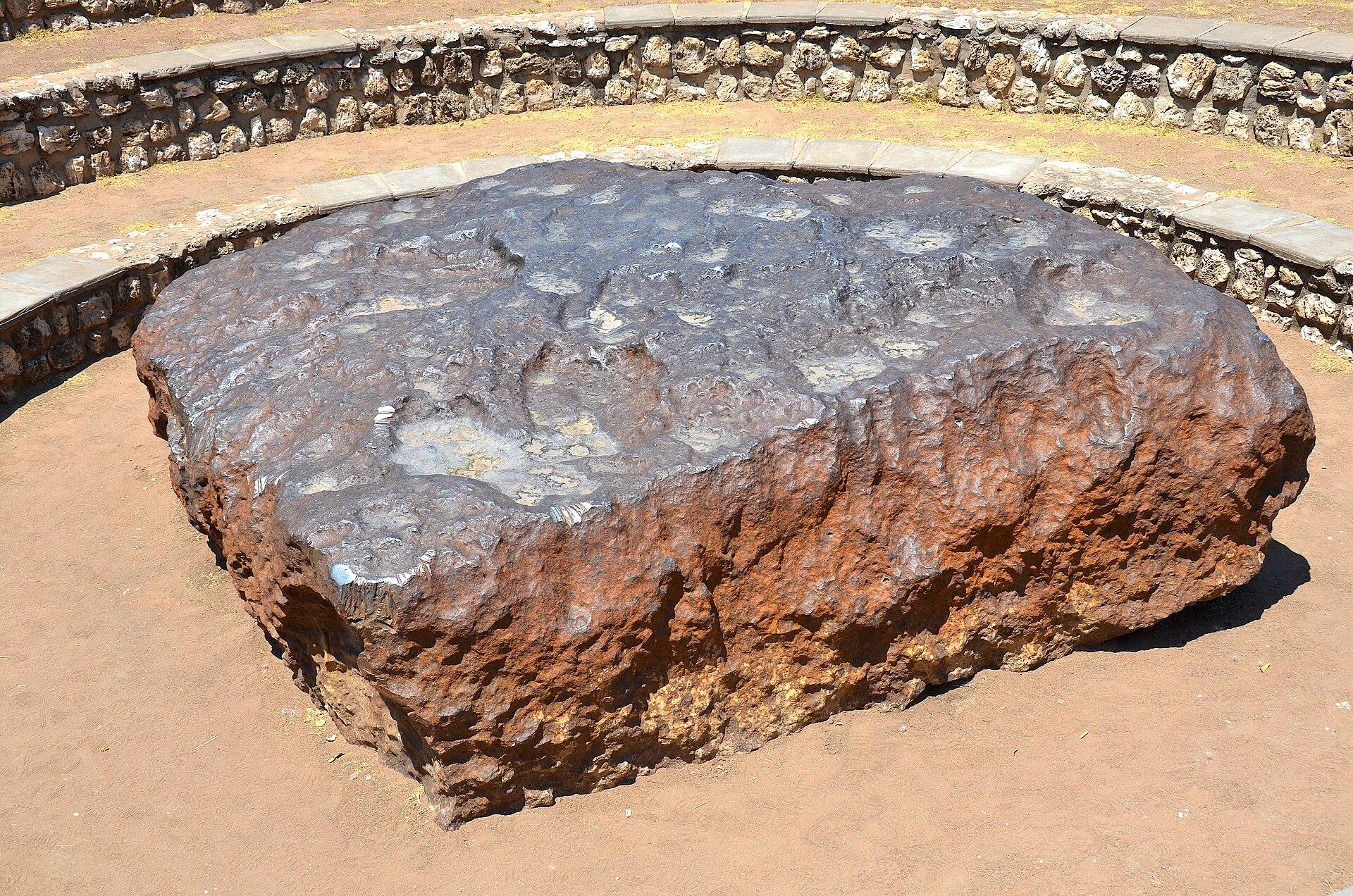
The largest known meteorite on Earth, a slab of iron and nickel weighing more than 60 tonnes, lies where it fell on Hoba West farm, 19 km west of Grootfontein. A farmer found it in 1920 when his plough struck it. It was declared a national monument in 1955, partly to stop people chipping off pieces.
Today it sits in a stone amphitheatre with a small visitor centre and entry fee. Grootfontein is a detour off the eastern route, so it fits best if you are heading to Namutoni or onwards to the Zambezi Region.
Fitting a stop into your itinerary
Our 14-day and 21-day routes reach Etosha from Damaraland and return to Windhoek in one long day. The easiest change is to break that return with one night at Okonjima, the Cheetah Conservation Fund or the Waterberg, which costs one day elsewhere. The 10-day route has no spare time, so a stop there means dropping something else.
Etosha’s gates close at sunset. If you stop on the way in, work back from that time and leave a margin.
A stop of more than an hour turns the 432 km day into a very long one. Add a night instead of squeezing in a second stop.
Book the extra night at the same time as your Etosha camp so the dates line up.
Otjiwarongo, Outjo and Tsumeb are the main towns for fuel and supplies on these routes.
Namibia Wildlife Resorts gives 432 km from Windhoek to Okaukuejo in the south of the park and 486 km to Namutoni in the east. Both roads are tarred all the way to the gates.
Can I visit Okonjima as a day trip?
No. Okonjima only admits guests staying at one of its camps, and its activities, such as leopard and pangolin tracking, are booked with the stay.
What can you do at the Cheetah Conservation Fund?
Visit the museum and visitor centre, see resident cheetahs that cannot be released, and book activities such as the Cheetah Run, a feeding or a safari drive. CCF also runs a café and has lodge rooms if you want to stay.
How big is the Hoba meteorite?
It weighs more than 60 tonnes and is the largest known meteorite on Earth. It still lies where it landed, on a farm 19 km west of Grootfontein.
Which route should I choose?
Use the western route if you are visiting the south of Etosha, as most first trips do. Choose the eastern route if you stay at Namutoni or continue north-east. It also passes Lake Otjikoto and is closer to the Hoba meteorite.
Related guides
Plan the rest of the route
Use these related guides to keep the route, budget, booking checks, and departure prep connected.