Use the source owner first
Immigration, parks, roads, airports, public accommodation, and tourism registration should begin with the Namibian authority or public body that owns the rule or service.
Home / Editorial Standards
How Namibia Plus researches planning guides, identifies evidence limits, handles corrections, and separates commercial links from travel advice.
Trust is the product
Namibia Plus is an independent planning resource produced through desk research and source review. Readers should be able to use the guides to make better route, timing, safety, and booking decisions even when no affiliate links are present.
A page should show which source owns a changing fact, which sources only cross-check it, when the evidence was reviewed, and what the reader still needs to verify. A government page, supplier term, traveler review, and local perspective do different jobs and should not be presented as interchangeable.
The About and research-method page explains the current production model and what the site does not claim.
Immigration, parks, roads, airports, public accommodation, and tourism registration should begin with the Namibian authority or public body that owns the rule or service.
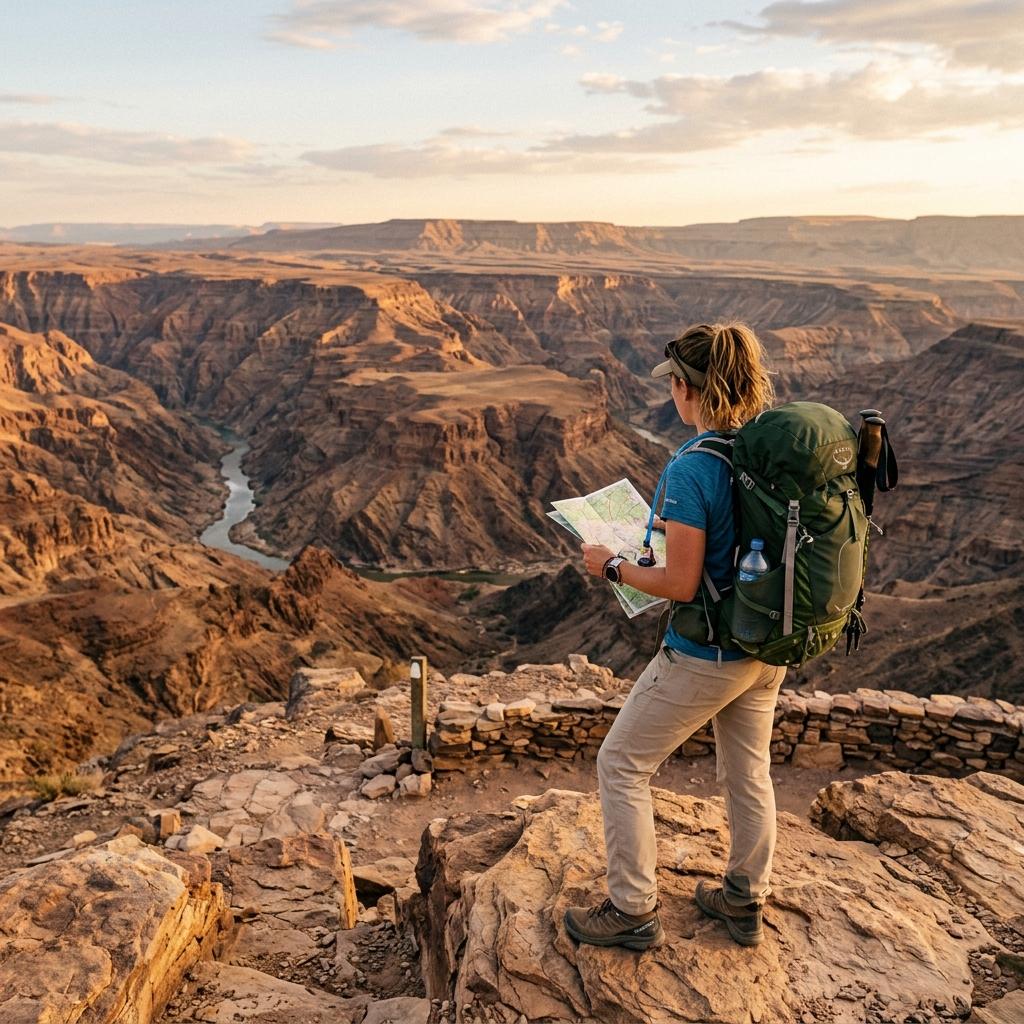
A researched synthesis is not field reporting. Unless a page names a contributor, their role, and the date, the reader should not be asked to infer first-hand experience. All current local hero, card, event, and social images are used as editorial illustrations rather than documentary evidence. Where provenance records identify AI generation, that is stated explicitly; imagery never proves present conditions, access, wildlife, a community, or a traveler experience.
Future local contributions should identify the perspective, scope, review date, and any payment or commercial relationship instead of using an unsupported “local expert” badge.
Readers should understand route fit, risk, seasonality, cost, and booking trade-offs before any provider or partner recommendation appears.
Affiliate or referral links should be disclosed before the click. Commercial relationships must not rewrite official-source entry, health, safety, park, or road guidance.
A change that affects meaning, cost, safety, eligibility, access, or a booking decision should update the page and appear in the public corrections log.
Working method
Start with the question the page must help answer, such as route fit, park access, vehicle terms, or entry preparation.
Use the Namibian ministry, regulator, statutory body, public operator, or supplier responsible for the fact.
Add nationality-specific advisories, public-health sources, sector evidence, and recent experience reports without confusing their roles.
State what can change, when the information was checked, and what the reader must confirm directly.
Apply comparison criteria before adding a paid link, and disclose the relationship where the recommendation appears.
| Content type | Review rule |
|---|---|
| Visa, advisory, and health | Check before publishing, revisit at least quarterly, and review sooner when the controlling official page changes. |
| Park fees, permits, gates, and road conditions | Check before publishing a value or access rule, before each major season, and during weather or closure events. |
| Costs, vehicles, lodges, and route logistics | Review before each major travel season and whenever a supplier term, rate period, fuel assumption, or route constraint changes. |
| Evergreen destination background | Review annually, then sooner when reader feedback, a named contributor, or a stronger primary source changes the context. |
| Affiliate or partner pages | Review before adding a paid link and remove or update it when terms, support, ownership, or disclosure quality no longer meets the standard. |
Material errors should be corrected at the page, checked against the strongest available source, and recorded publicly. Reader reports should be assessed on evidence, whether they support or challenge a commercial partner.
View log or report an issueRead how the work is produced, inspect the source register, follow material corrections, and review the separate commercial policy.